
By Sam Cabral, CSCS, MSc
Optimizing In-Season Plyometric Training (Without Wrecking Your Knees)
For multi-sport youth athletes and parents investing heavily in club programs across Vancouver, the demands of a long season are all too familiar. Every player wants to maintain vertical power, reactive speed, and sharpness on the court. Yet, past the mid-season mark, many athletes end up struggling with fatigue, shin splints, or patellar tendinopathy rather than peaking for postseason play. This often leaves athletes trapped between two extremes: grinding through high-volume jump training to stay bouncy or avoiding jump work entirely out of fear of joint pain.
This scenario is incredibly common. The idea that athletes need an extra, dedicated jump session in the weight room during the competitive calendar is a huge misconception. In reality, stacking extra jump volume on top of practices creates sloppy “junk reps” that fail to drive performance gains while significantly raising injury risk.
Managing overall workload during the season is nuanced, particularly when balancing school and club commitments simultaneously. Partnering with a qualified strength and conditioning coach ensures your athlete continues to build physical capacity while staying healthy and resilient. By targeting the minimum effective dose, we preserve explosive power without overloading irritated tissues, which is a crucial factor for high-volume court sports like basketball and volleyball.
TL;DR: The Minimum Effective Dose
- Ditch the “Plyo Day”: Your athlete does not need a dedicated plyometrics day in-season. High-volume jump sessions lead to junk reps, poor landing mechanics, and overuse injuries.
- Microdose for Maximum Impact: Research shows that brief, high-intensity, low-volume jump sessions (40-80 ground contacts) done 1 to 2 times a week are highly effective for maintaining and even improving jump height during the season.
- Factor in the Sport: Court athletes easily perform hundreds of jumps during a standard practice. In-season gym sessions must account for this by prioritizing tissue quality and force absorption, not mindless repetition.
Ready to optimize your athlete’s in-season performance? Learn more about our Lift to Train youth athletic development programs or book a Personal Training consult.
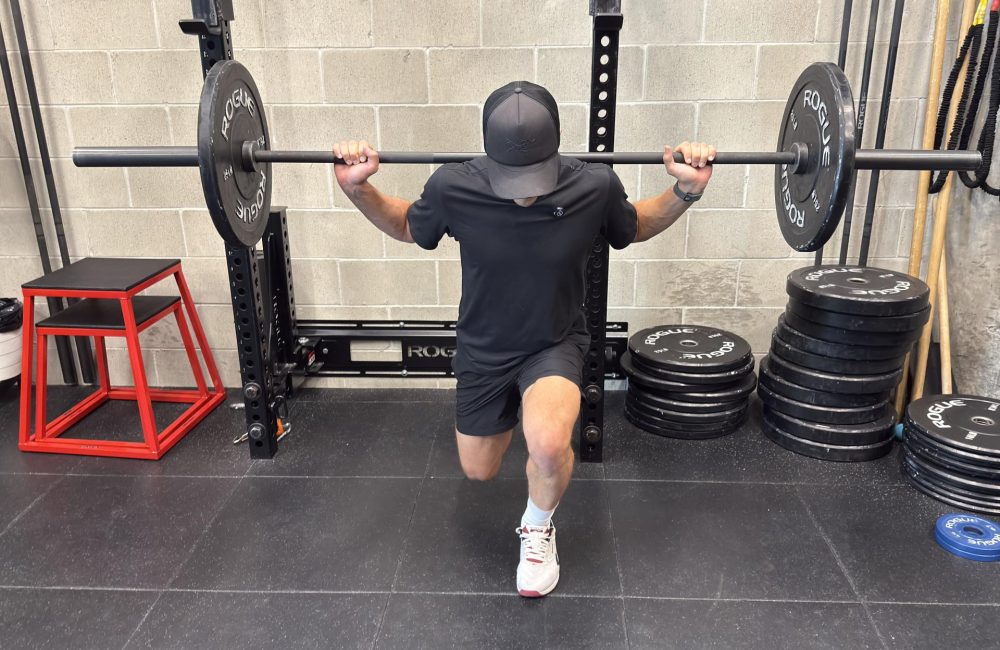
The Myth of the Dedicated "Plyometric Day"
One of the biggest misconceptions I see from athletes and parents (often fueled by generic internet programs) is the belief that you need a dedicated “plyometric training day” in your weekly program.
This mindset usually leads to athletes overdoing it. When you program too many plyometrics into a single session, the quality of those later reps inevitably drops. The athlete becomes fatigued, landing mechanics break down, and that excess volume stops moving the needle forward. Instead, it just creates a massive spike in injury risk.
The other major error in youth athletics is failing to adjust volume when the season starts. An athlete simply cannot maintain their off-season plyometric volume during the competitive season. In court sports like volleyball and basketball, athletes are getting hundreds of sport-specific plyometric reps just by playing the game. Doing more of the same in the gym is a fast track to shin splints and tendon pain.
The Biomechanics: Fast vs. Slow "Springs"
To prescribe the right type of jump training, we need to understand the Stretch-Shortening Cycle (SSC). Think of your muscles and tendons like a spring system.
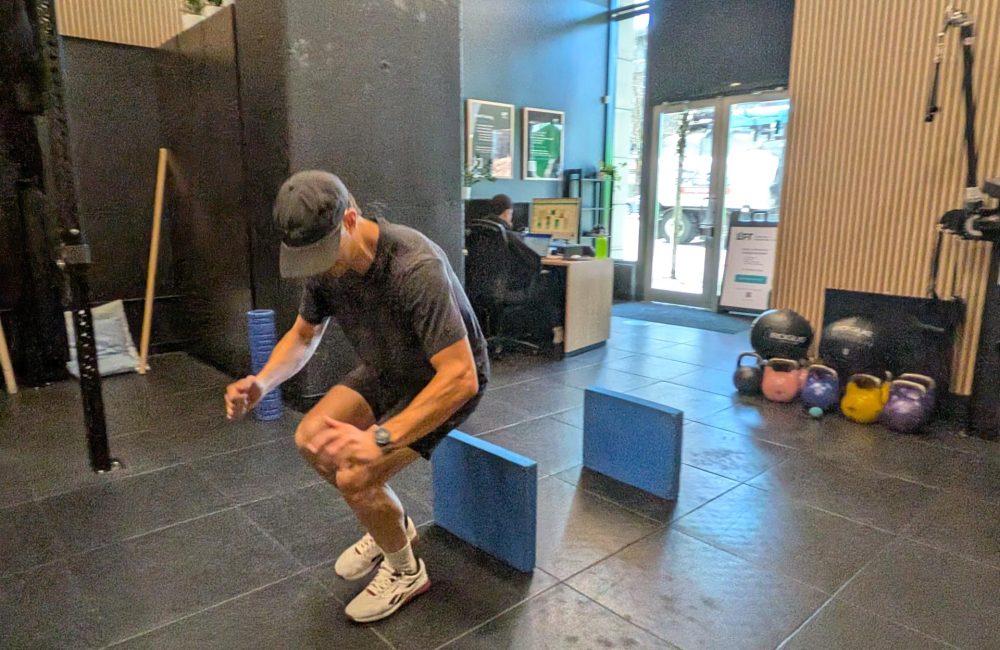
- Slow SSC (>250 milliseconds): This is a deep, powerful movement, like a volleyball approach jump or gathering for a heavy basketball rebound. Because practice inherently involves a massive volume of these slow SSC tasks, we rarely need to replicate them heavily in the weight room during the season.
- Fast SSC (<250 milliseconds): These are quick, highly reactive movements, like a quick block jump or a rapid change of direction. You spend very little time on the ground, relying heavily on tendon stiffness. This physical quality decays quickly if it isn’t practiced.
Ultimate is an intense, intermittent sport. Research analyzing the physiological demands of competitive ultimate frisbee shows that athletes can cover over 4 kilometers per game, with nearly 20% of that distance performed at high intensity.
Going for a long, slow 10km jog will not prepare you for the sport demands. Your body needs to be incredibly efficient at clearing lactic acid and recovering quickly between explosive bursts. This is where Sprint Interval Training (SIT) and High-Intensity Interval Training (HIIT) come into play. By programming specific work-to-rest ratios that mimic the exact demands of a long point, we build a “gas tank” that allows you to execute high-speed cuts and explosive jumps just as effectively in the final minute of a tournament as in the first.
In-season volume management can be a tricky thing, especially here in Vancouver where kids are often playing multiple sports for both school and club simultaneously.
Using a generic program or a standard commercial trainer often misses the nuance required to balance these competing demands. At Lift Clinic, our Strength and Conditioning coaches hold Master’s degrees in Exercise Science or Kinesiology. We use our academic background and our experience coaching team sports across all levels to calculate the exact volume and intensity needed to accommodate everything else your athlete is doing outside of the gym.
When you book a Personal Training session or join one of our Discover Your Strength Workshops, we teach you how to integrate these concepts:
- Game Day +2 (Recovery Focus): Zero jumping. We focus on mobility and deep strength.
- Game Day -2 (Strength Dose): Moderate volume (20-30 contacts) focusing on controlled power and perfect landing mechanics.
- Game Day -1 (CNS Primer): Low volume (15-20 contacts) of Fast SSC movements (like quick pogo hops). This acts as a neural warm-up, priming your nervous system for the game without creating any muscle soreness.
- Game Day: Your body gets all the “plyometrics” it needs on the court.
This approach ensures that every rep in the gym is high quality. We avoid the “junk reps” that happen when an athlete is fatigued, which is precisely when landing mechanics break down and injuries occur.
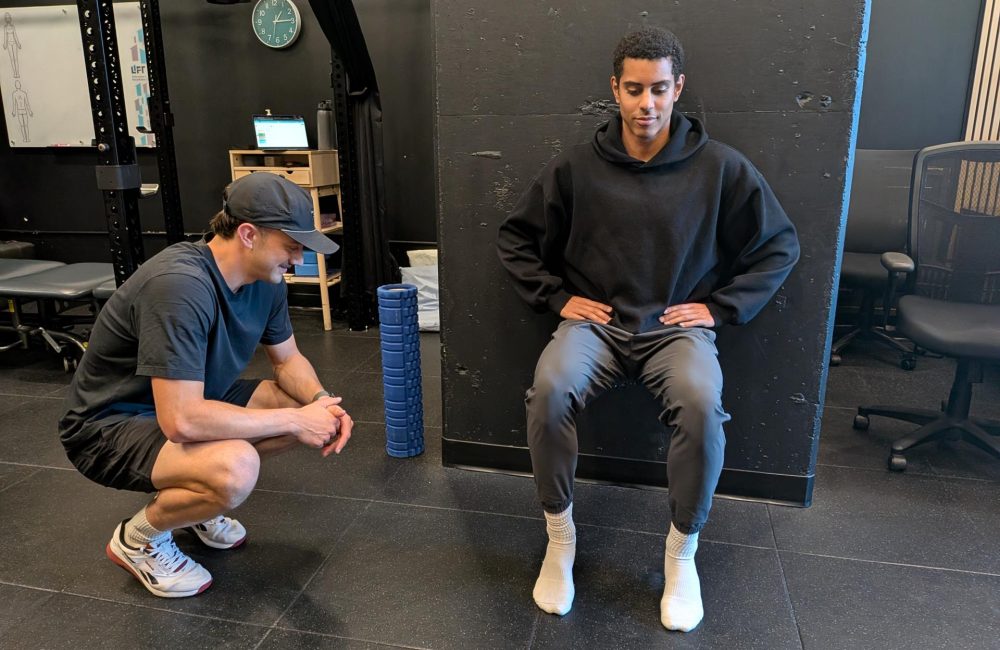
Managing Jumper's Knee: The Rehab-to-Performance Bridge
Despite our best efforts with load management, the sheer volume of a Vancouver club sports season can sometimes lead to patellar tendinopathy (jumper’s knee).
This is where the Lift Clinic difference truly shines. We don’t operate in silos. If an athlete starts experiencing knee pain, I don’t just tell them to “tough it out.” We can consult directly with our Physiotherapy or Chiropractic team.
Tendons require mechanical load to heal, but they hate explosive, bouncy movements when they are irritated. We immediately pivot the athlete’s S&C program:
- Stop the Fast Plyos: We temporarily remove the reactive jumps that are aggravating the tendon.
- Introduce Heavy Isometrics: We use heavy, static holds (like a heavy wall sit or Spanish squat). Research shows this provides instant pain relief (analgesia) and calms the nervous system.
- Heavy Slow Resistance (HSR): We rebuild the tendon’s capacity using slow, heavy lifting, which strengthens the tissue without the damaging velocity of a jump.
We seamlessly transition you from the treatment table back to performing at your best on the court, ensuring long-term athletic development rather than short-term fixes.
Train Smarter for the Playoffs
Your athlete’s season is a marathon, not a sprint. By reducing plyometric volume, focusing on high-intent execution, and prioritizing landing mechanics, we can keep them resilient, powerful, and healthy when the playoffs roll around.
If you want to take the guesswork out of your athlete’s training schedule, we are here to help.
Choose Your Path:
- Dealing with injury or nagging pain? Book your initial Physiotherapy or Chiropractic assessment to clear you for training.
- Ready to build strength, resilience, and peak performance? Book a free 30-minute Personal Training consult with our Strength & Conditioning team.
Ready To Take The Next Step?
Are You Recovering From An Injury Or Dealing With Nagging Pain?
Are You Healthy And Ready To Build Strength, Resilience, And Peak Speed?
